
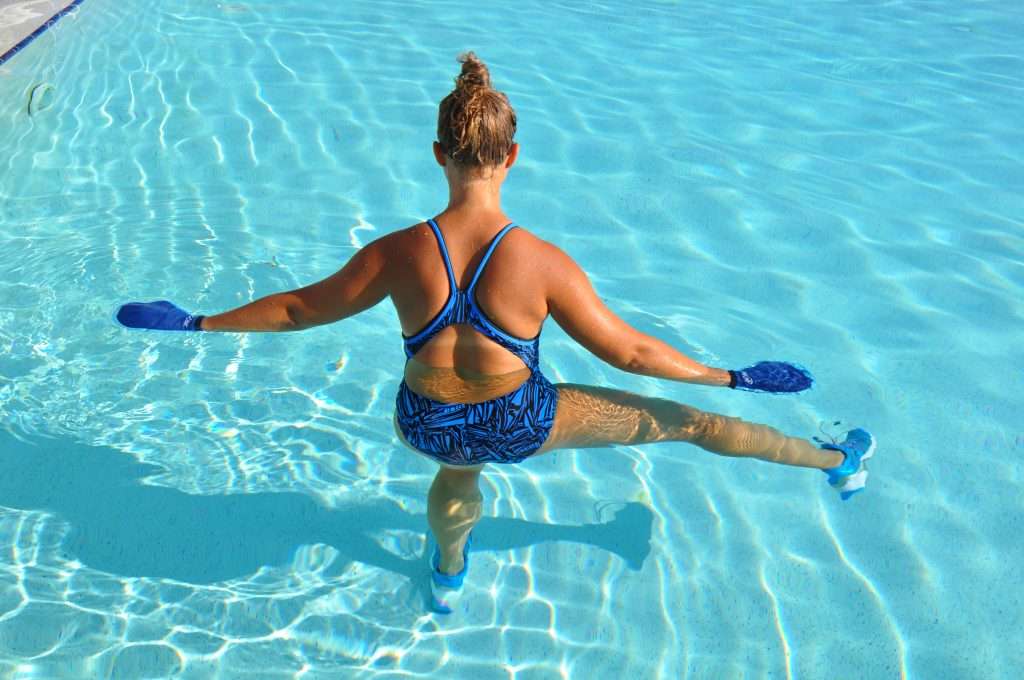
Water Exercises for Low Back Pain: Support from Hips, Pelvis, and Upper Back
Water exercises for low back pain that go beyond the back itself. Learn how hips, pelvis, and upper back support relief and lasting movement.
Water exercises for low back pain that go beyond the back itself. Learn how hips, pelvis, and upper back support relief and lasting movement.
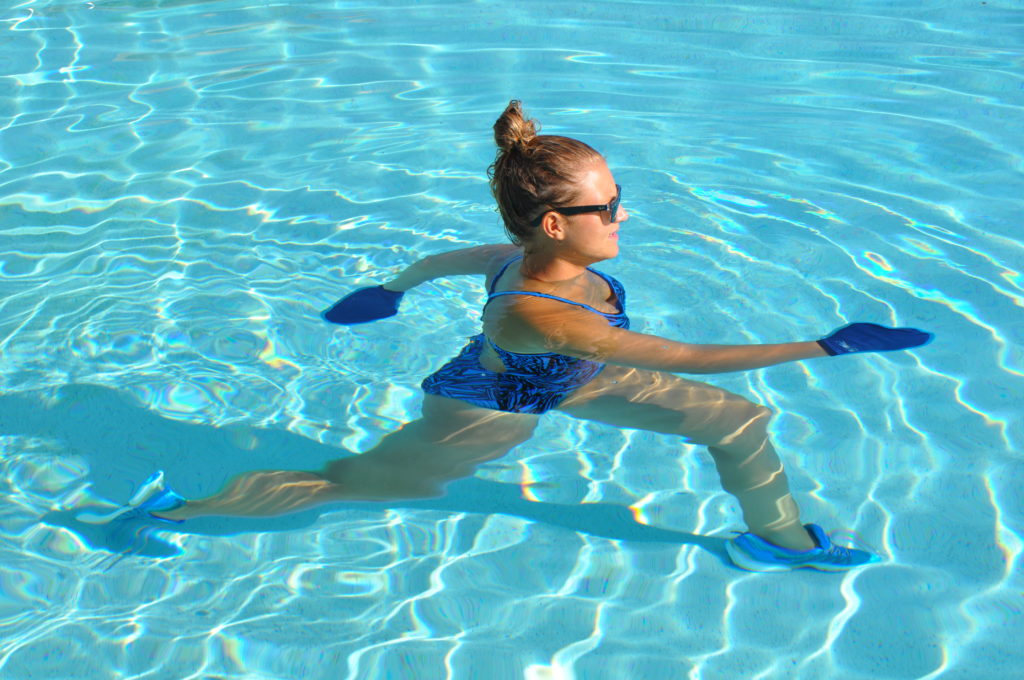
When people search for pelvic floor exercises, they’re often looking for one specific move — usually Kegels. But your pelvic floor isn’t just something to tighten. It needs to lengthen, load, and respond as you move, connected all the way through your feet, hips, core, and breath. So instead of asking, “What’s the best pelvic floor exercise?” try asking, “How can I use movement to help my pelvic floor respond better?”

When people ask for exercises for knee pain, it makes sense — the knee is where they feel it. But the body rarely uses one joint at a time. Your knee lives between your foot and your hip, and when one of these isn’t doing its share, the knee often feels the stress. So the real key isn’t just what exercise you do. It’s how you do it.
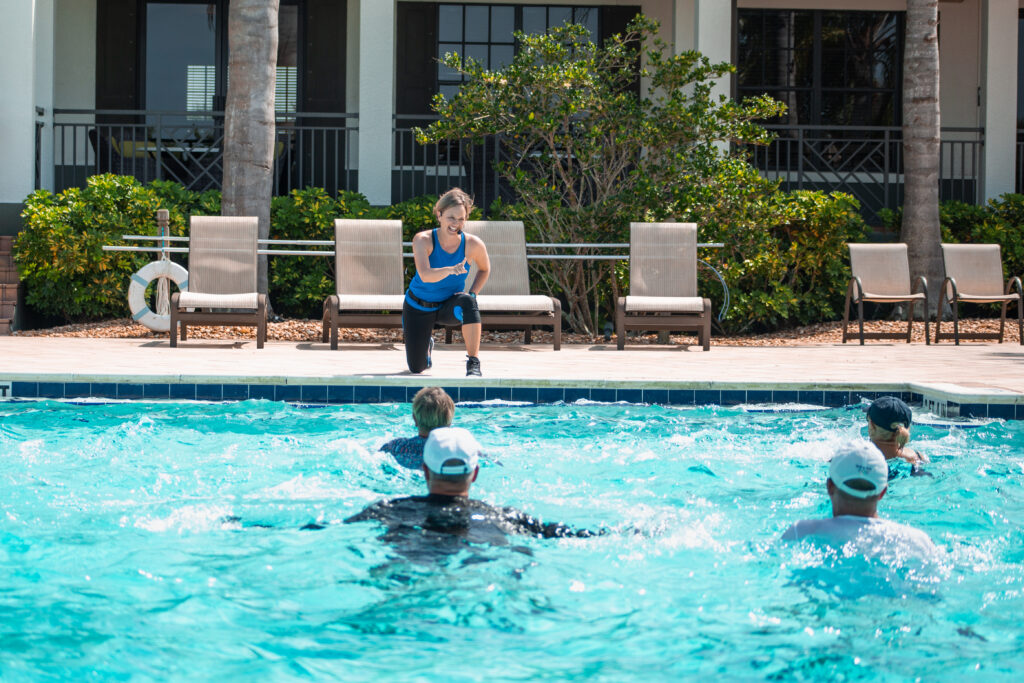
After a challenging water workout, many students are ready to be done. But the end of the workout is not the end of the training effect. What happens next matters.

There’s a kind of fellowship that happens in a water exercise class that is hard to explain until you have experienced it. Learn why the Mermaids say: “What happens under the water stays under the water.”
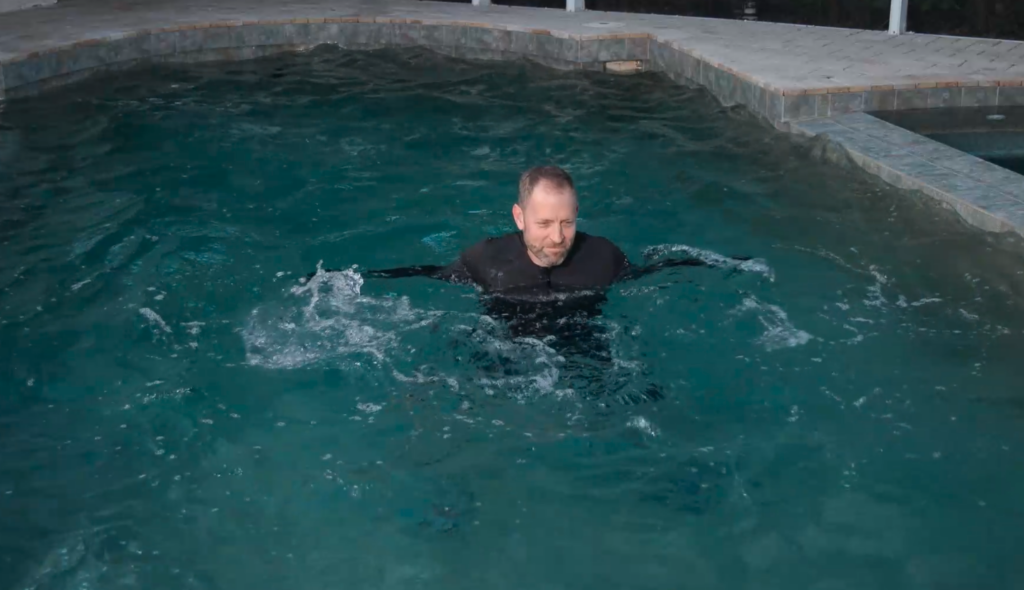
One of the most important questions in any workout is also one of the hardest to answer: How hard am I actually working?
This is where the build-up drill comes in — it’s one of the most useful tools inside Wavemakers.
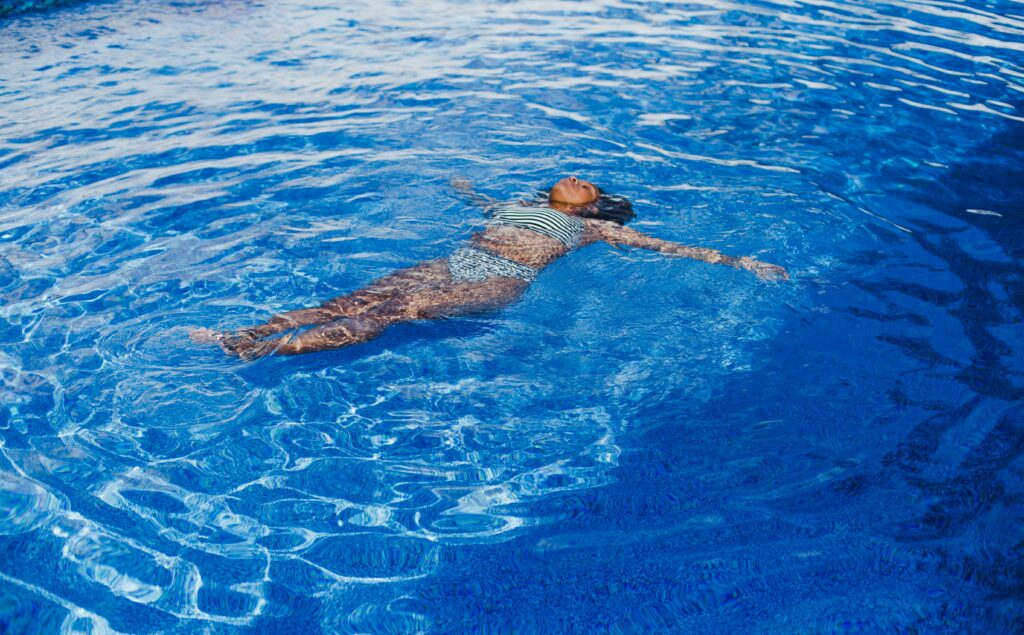
After a challenging water workout, many students are ready to be done. But the end of the workout is not the end of the training effect. What happens next matters.

Discover why water exercise might be the workout that finally sticks. One woman’s story of finding fun, safety, and real results in the pool.
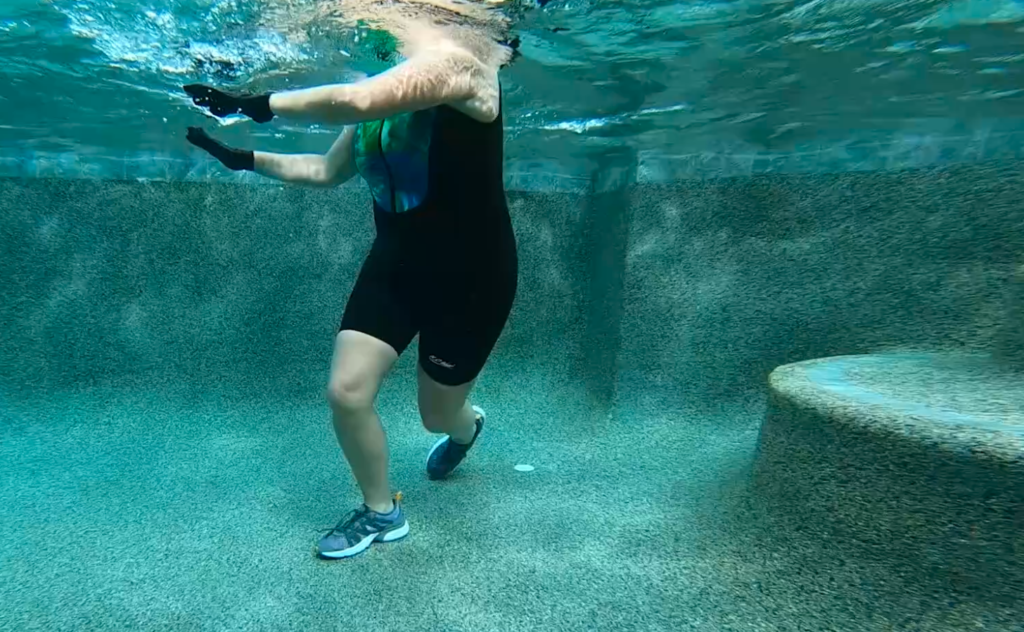
When your back hurts, the instinct is to work the back harder. But what if your back isn’t the problem — it’s just the one doing all the work? In this post, Laurie shares a simple water-based progression that helped one student move through back pain by asking a better question.
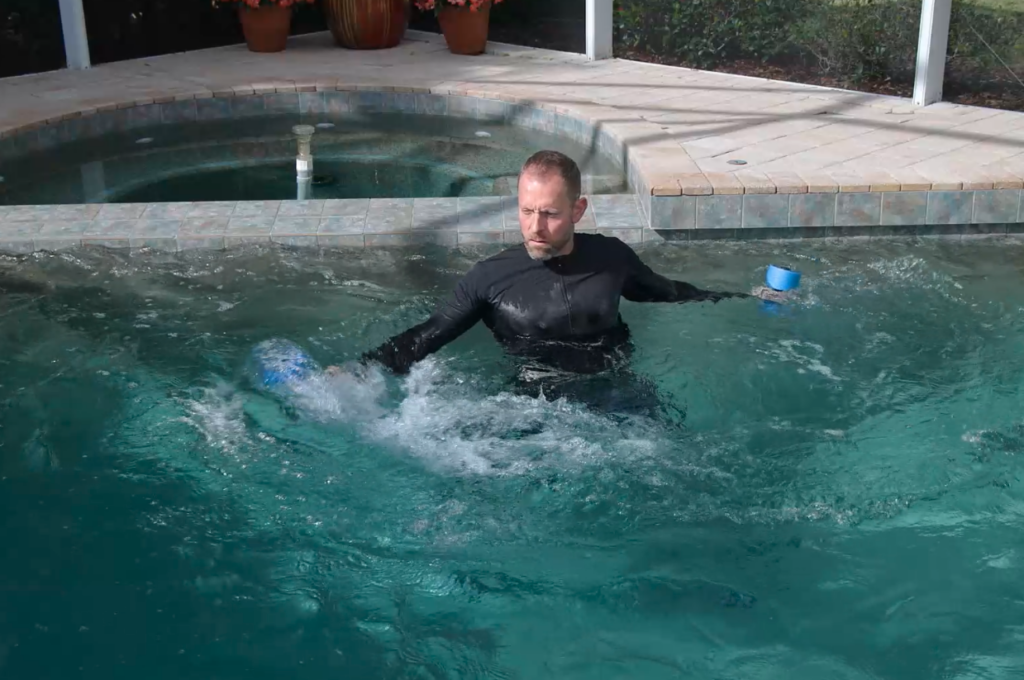
One exercise can do more than one thing. The difference is in how it’s taught, and how students learn to feel it. Here’s what getting back in the water as a student taught Thomas about coaching, intensity, and why movement becomes more meaningful when people understand what they’re feeling.